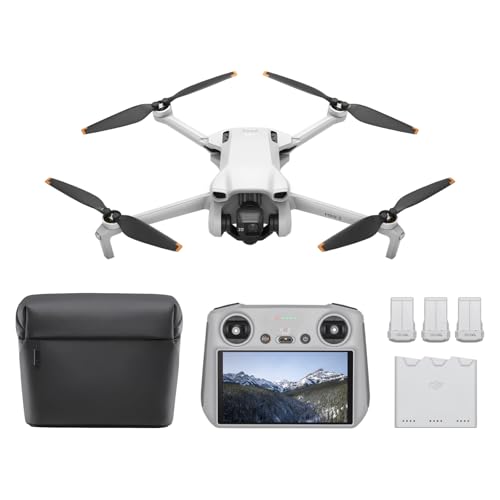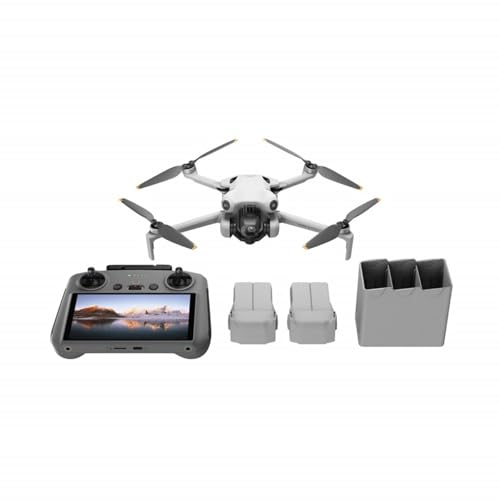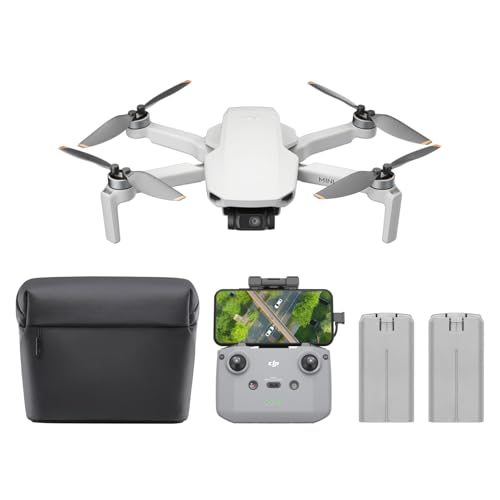
Ever wondered how industries are getting smarter and safer with their monitoring tasks? The answer often flies (or swims!) right over our heads – or under our boats. Drone technology has revolutionized how we conduct inspections, moving from risky, time-consuming manual checks to efficient, high-precision remote observations. Whether you’re peering into the depths of a crumbling bridge, assessing agricultural fields, or navigating confined spaces, finding the best drone for inspections can truly make a world of difference.
But it’s not just about the drone itself. To perform top-notch inspections, you also need the right knowledge and tools to support your operations. In this guide, we’ll dive into some top picks, covering not only powerful drone hardware but also crucial resources that elevate your inspection game. Let’s explore how these tools can help you achieve unparalleled efficiency and accuracy.
What Makes a Drone Great for Inspections?
Choosing the ideal drone for inspection tasks isn’t just about picking the one with the fanciest camera. While high-quality visual data is paramount, several other factors contribute to an effective inspection drone:
- Camera & Sensor Quality: Beyond just 4K, look for thermal imaging, multispectral sensors, or zoom capabilities that capture minute details. High-resolution cameras are a must for detailed visual assessments.
- Flight Stability & Control: Precision is key. Drones need stable hovering, accurate GPS positioning, and smooth maneuverability, especially in tight or complex environments like structural integrity checks.
- Battery Life: Longer flight times mean more ground covered and fewer interruptions, crucial for extensive aerial surveys or infrastructure monitoring.
- Durability & Weather Resistance: Industrial drones often operate in harsh conditions. Robust build quality and resistance to elements are vital.
- Software Integration: Compatibility with mapping, photogrammetry, and data analysis software streamlines the post-inspection process.
- Safety Features: Obstacle avoidance, return-to-home functions, and geofencing protect your investment and ensure regulatory compliance.
- Regulatory Readiness: For commercial drone operations, understanding and adhering to regulations like FAA Part 107 in the U.S. is non-negotiable.
Now, let’s explore our carefully selected products that promise to enhance your inspection capabilities!
Our Top Picks: Best Drones & Essential Tools for Inspections
Here are our top selections, ranging from robust inspection drones to indispensable support resources.
Drones with Camera for Adults 4k HD FPV, Foldable Remote…

This nimble and user-friendly drone is a fantastic entry point for anyone looking to perform basic aerial inspections or gain experience before investing in more specialized equipment. Its standout feature is its portability combined with a decent 4K wide-angle camera, making it surprisingly capable for quick visual checks of roofs, gutters, or general property surveillance where a high-end industrial drone might be overkill. It’s truly a “grab and go” option for immediate, straightforward inspection needs.
-
Key Features:
- Foldable arms for easy portability
- Dual camera switch for different perspectives
- Altitude hold mode for stable flight
- WiFi FPV for real-time video transmission to your phone
- 4K wide-angle camera for high-definition pictures and video
- Trajectory Flight allows drawing a path for autonomous flight
- Headless Mode for simpler control
- 2.4GHz Technology for anti-interference
- 3-level flight speed for varied flying experience
- Durable, lightweight engineering plastic fuselage
-
Pros:
- Extremely portable and easy to carry
- Affordable option for beginners or casual inspections
- 4K camera provides good visual data for its price point
- User-friendly features like altitude hold and headless mode
- Trajectory flight adds a basic level of automation
-
Cons:
- Not designed for heavy industrial use or adverse weather
- Limited range and battery life compared to professional drones
- Less precise control and stability than high-end inspection drones
- Image quality, while 4K, may not meet professional demands for fine detail.
-
User Impressions: Customers often praise this drone for its ease of use, especially for those new to drone flying. They find it great for recreational fun and basic visual checks around the home or garden. Many highlight its compact size and decent camera quality as strong selling points for an entry-level drone.
G GENEINNO FIFISH M100A Industrial Case Mini Rov Underwater…

When your inspection needs go beyond the skies and into the depths, the FIFISH M100A is an absolute game-changer. This isn’t just an underwater drone; it’s a professional-grade Remotely Operated Vehicle (ROV) built for serious industrial inspections. Its ability to maneuver with true 360° freedom in challenging underwater environments, combined with a stunning 4K low-noise camera and VR intelligent head tracking, makes it the best drone for inspections that require a deep dive. For marine infrastructure, aquaculture, or submerged asset checks, this ROV offers precision, endurance, and crystal-clear visual data.
-
Key Features:
- Multi-tool extensions for integrating various professional-grade tools
- Onshore power supply system for extended operation (with optional accessory)
- True 360° freedom of movement underwater
- Protection against corrosion and sand, robust Kevlar cable
- Resistant to 1m/s water currents, stable diving performance
- VR Intelligent Head Tracking for immersive, intuitive control
- UHD 4K underwater camera (166° ultra-wide FOV, 12MP, 240 FPS slow-motion)
- Vision enhancement algorithms for vibrant underwater clarity
- 14400mAh super-capacity battery with Q-CHARGE (90% in 1 hour)
-
Pros:
- Exceptional for professional underwater inspections
- Highly maneuverable with 360° movement and VR control
- Excellent 4K camera quality for detailed underwater visuals
- Robust, durable design built for harsh marine environments
- Long battery life and fast charging capabilities
- Expandable with professional-grade tools for diverse tasks
-
Cons:
- Highly specialized for underwater use only
- Significant investment compared to aerial consumer drones
- Requires specific expertise for advanced operations
-
User Impressions: Users are consistently impressed by the FIFISH M100A’s professional capabilities and robust build. They praise its fluid maneuverability and the exceptional quality of its underwater camera, calling it indispensable for marine inspections, salvage, and research. The VR control is often cited as a unique and highly effective way to pilot the ROV.
FAA Part 107 Drone: A QuickStudy Reference Guide

While not a drone itself, this QuickStudy Reference Guide is an absolutely essential companion for anyone serious about using drones for commercial purposes, including professional inspections. Operating a drone commercially in the U.S. legally requires a Remote Pilot Certificate (Part 107), and this guide distills complex regulations into an easy-to-understand format. For aspiring drone inspection pilots, understanding airspace, weather, and operational limitations is just as critical as the drone hardware itself. This guide helps you navigate the legal skies safely and effectively.
-
Key Features:
- Concise summary of FAA Part 107 regulations
- Covers airspace classifications and requirements
- Explains weather effects on drone operations
- Details operational limitations and emergencies
- Provides information on waivers and authorizations
- Designed for quick reference and test preparation
- Laminated for durability and ease of use in the field
-
Pros:
- Indispensable for passing the FAA Part 107 exam
- Crucial for legal and safe commercial drone operations
- Easy-to-digest format for complex regulations
- Portable and durable for on-the-go study
- Helps avoid costly fines and unsafe practices
-
Cons:
- Not an actual drone, but a study aid
- Requires additional study materials for comprehensive understanding
-
User Impressions: Reviewers consistently highlight this guide as an invaluable resource for Part 107 exam preparation. They appreciate its clear, concise, and well-organized presentation of complex information, making it much easier to grasp the necessary regulations for commercial drone flight. Many consider it a must-have for any serious drone pilot.
Inspection Authorization Test Prep: Study & Prepare: A…

Stepping into more advanced realms of aviation inspection, this “Inspection Authorization Test Prep” book isn’t about flying a drone, but about mastering the foundational principles of aviation inspection. For drone pilots whose work intersects with highly regulated areas like aircraft maintenance, complex industrial systems, or critical infrastructure where deep aviation knowledge is required, this resource provides an unparalleled depth of understanding. It builds a robust knowledge base, ensuring that drone-collected data is interpreted with the highest level of professional insight, bridging the gap between basic drone operation and comprehensive expert analysis.
-
Key Features:
- Comprehensive study material for the Inspection Authorization (IA) exam
- Covers regulations, maintenance practices, and inspection procedures
- Includes practice questions and explanations
- Detailed explanations of aviation systems and components
- Focuses on safety protocols and airworthiness directives
- Designed for in-depth preparation for advanced aviation certifications
-
Pros:
- Provides profound knowledge in aviation inspection principles
- Essential for those pursuing Inspection Authorization
- Enhances the analytical capabilities of drone inspection professionals
- Robust preparation for high-stakes inspection scenarios
- Builds credibility and expertise in the field
-
Cons:
- Highly specialized, potentially overkill for basic drone inspection tasks
- Not directly related to drone piloting, but to broader aviation inspection
- Requires significant time and dedication for study
-
User Impressions: Individuals preparing for the Inspection Authorization exam universally praise this book for its thoroughness and effectiveness. They note its clear structure, comprehensive content, and realistic practice questions as key factors in their success. It’s considered a definitive guide for advancing one’s career in aviation maintenance and inspection.
The Complete Beehive Inspection Notebook: Record Keeping…

At first glance, a beehive inspection notebook might seem out of place in an article about the best drone for inspections. However, this product serves as a brilliant example of the meticulous record-keeping that underpins any effective inspection process. Whether you’re inspecting a beehive, a bridge, or a power line, robust data collection and systematic record-keeping are crucial. While drones provide invaluable visual data, their effectiveness is amplified when paired with organized documentation. This notebook highlights the importance of consistent, detailed logs for tracking changes, identifying patterns, and making informed decisions – principles directly applicable to drone-based inspections in fields like precision agriculture or environmental monitoring, where drones can gather data that feeds into similar structured records.
-
Key Features:
- Structured templates for consistent record-keeping
- Dedicated sections for observation notes and checklists
- Space for tracking dates, conditions, and changes over time
- Designed to ensure thoroughness in inspections
- Helps identify trends and potential issues proactively
- Promotes organized data management
-
Pros:
- Emphasizes the critical role of detailed record-keeping in any inspection
- Provides a practical template for organized data collection
- Teaches valuable principles applicable across inspection disciplines
- Helps maintain a historical log of inspection findings
- Simple, effective, and low-tech solution for documentation
-
Cons:
- Not a drone or drone-related hardware/software
- Specific to beekeeping, requiring adaptation for other inspection types
- Physical notebook, lacking digital integration capabilities of modern drone platforms
-
User Impressions: Beekeepers adore this notebook for its practicality and comprehensive layout. They find it incredibly useful for maintaining accurate records of their hive health and activities, making management much easier and more effective. It’s highly recommended for its ability to bring structure to what can often be a complex and variable task.
Buying Guide: Choosing Your Inspection Drone
Selecting the right drone for your inspection needs involves a bit more than just browsing. Here’s a quick guide to help you make an informed decision:
- Define Your Mission: What exactly will you be inspecting? Rooftops? Power lines? Underwater structures? Agricultural fields? The environment dictates the drone type (aerial, underwater, confined space).
- Camera & Sensor Needs: Do you need high-resolution visual? Thermal imaging for heat leaks? Multispectral for crop health? Zoom for distant objects? Match the camera to the details you need to capture.
- Flight Time & Range: Longer battery life is crucial for large areas. Consider the range you need to cover and the signal strength required.
- Durability & Reliability: Inspections often happen in challenging environments. Look for robust build quality, wind resistance, and perhaps even IP ratings for water and dust protection.
- Ease of Use vs. Complexity: Are you a beginner or an experienced pilot? Some drones are user-friendly out of the box, while others offer advanced features and require more skill.
- Budget: Inspection drones range from a few hundred dollars to tens of thousands. Set a realistic budget based on your requirements and expected return on investment.
- Regulatory Compliance: Always ensure you comply with local aviation authorities (like the FAA Part 107 in the U.S.) for commercial operations. Understanding these rules is a vital part of your inspection toolkit.
FAQ Section
Q: What is the FAA Part 107 and why is it important for drone inspections?
A: The FAA Part 107 is the regulation for operating small unmanned aircraft systems (sUAS) commercially in the United States. It’s crucial for drone inspections because it grants you the legal authority to fly a drone for business purposes. Without it, your inspections would be illegal, potentially leading to fines and legal issues.
Q: Can consumer drones be used for professional inspections?
A: Some high-end consumer drones might be suitable for basic, non-critical visual inspections, like checking a roof for obvious damage. However, for detailed, critical, or industrial inspections, professional-grade drones offer superior camera quality, stability, battery life, advanced sensors (e.g., thermal), and specialized software integration that consumer models lack.
Q: What kind of camera features are essential for inspection drones?
A: Essential features include high-resolution 4K or even 8K video, optical zoom capabilities to get close without risking the drone, and often thermal imaging sensors to detect heat anomalies (e.g., on solar panels, roofs, or power lines). Many industrial drones also integrate multispectral sensors for agricultural or environmental analysis.
Q: How long should an inspection drone’s battery last?
A: For professional inspections, a drone with a flight time of at least 25-30 minutes per battery is generally preferred. Many professional operations use multiple batteries or hot-swappable battery systems to minimize downtime and maximize coverage.
Q: Are underwater drones considered “drones for inspection”?
A: Yes, absolutely! Underwater ROVs (Remotely Operated Vehicles) like the FIFISH M100A are essentially specialized drones designed for submerged inspections. They’re vital for assessing marine infrastructure, pipelines, ship hulls, aquaculture, and performing environmental surveys where aerial drones cannot operate.
Q: What are some common applications for inspection drones?
A: Inspection drones are used across numerous industries for tasks such as:
* Infrastructure: Bridges, roads, railways, dams, power lines.
* Energy: Wind turbines, solar panels, oil and gas pipelines, refineries.
* Construction: Site monitoring, progress tracking, structural integrity assessments.
* Agriculture: Crop health monitoring, irrigation inspection, livestock management.
* Public Safety: Search and rescue, accident scene mapping, fire assessment.
* Environmental: Wildlife monitoring, pollution tracking, geological surveys.
Q: Do I need special software for drone inspections?
A: While your drone’s native app can handle basic flight, professional inspections often benefit greatly from specialized software. This includes flight planning software for automated missions, photogrammetry software to create 2D maps and 3D models from drone data, and data analysis platforms for identifying defects, measuring anomalies, and generating comprehensive reports.
Conclusion
The world of inspections has truly been transformed by drone technology. From high-flying aerial surveys of vast infrastructure to deep-sea dives examining submerged assets, the best drone for inspections is the one that precisely fits your operational needs, backed by the right knowledge and documentation. Whether you’re just starting out with a versatile general-purpose drone or you’re a seasoned professional commanding an advanced underwater ROV, remember that every successful inspection hinges on both cutting-edge technology and meticulous preparation. Choose wisely, fly safely, and elevate your inspection capabilities to new heights – or depths!