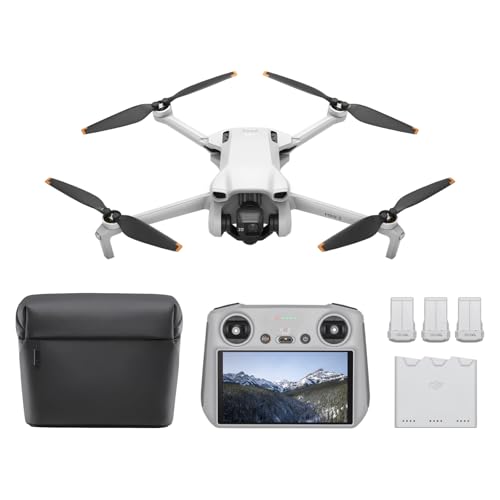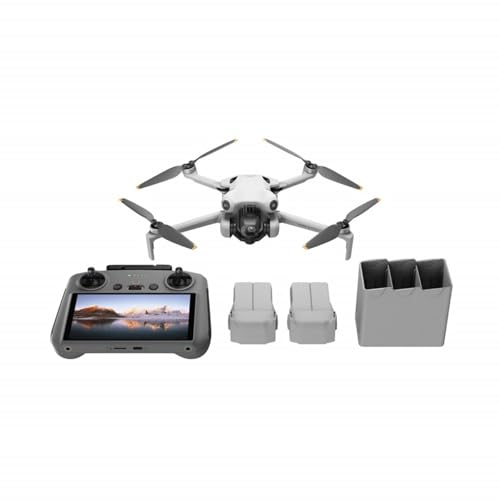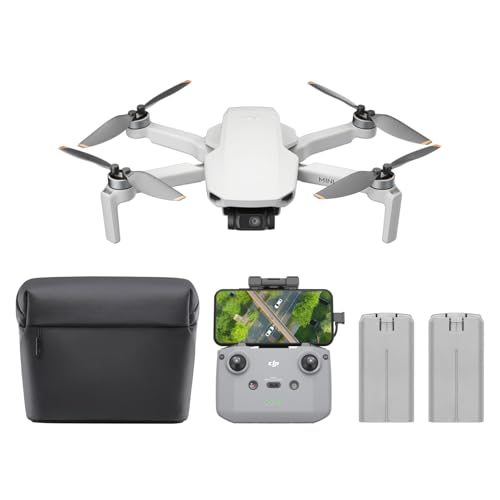
So, you’re looking for the best drone for photogrammetry, right? While a high-quality drone is undeniably the star of the show, capturing precise, actionable geospatial data isn’t just about the UAV itself. It’s also about the crucial supporting cast: the accessories that ensure accuracy, the software that stitches images, and the knowledge that guides your entire mission.
This isn’t just a list of the top drones; instead, based on the innovative products currently making waves, we’re diving into essential gear and invaluable resources that will elevate your drone mapping projects. From high-visibility ground control points (GCPs) that pinpoint your coordinates with remarkable precision to comprehensive guides that deepen your understanding, these items are vital for anyone serious about professional photogrammetry, surveying, or 3D modeling. Let’s unbox the tools that help make your photogrammetry data truly shine!
1. RothBucher Ground Control Target 350×350 mm with Black Circle – RSL520
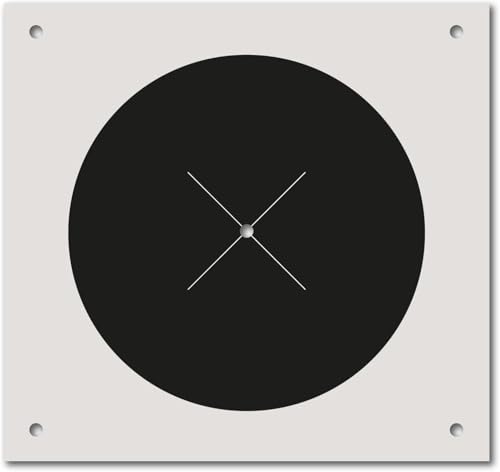
Every great photogrammetry project starts with solid ground control, and this RothBucher target is a standout performer. What makes it essential is its incredibly high-contrast design, featuring a bold black circle on a bright white background. This isn’t just for aesthetics; it’s engineered for maximum visibility from the sky, ensuring your drone’s camera can lock onto it even from higher altitudes, leading to super accurate data alignment. If you’re serious about repeatable, precise results, these GCPs are a must-have.
-
Key Features:
- High-Contrast Design: Bold black circle on white for maximum aerial visibility.
- Ideal Size: 350×350 mm, optimized for drone-based photogrammetry and surveying.
- Weather-Resistant Build: Durable material withstands harsh field environments.
- Drone & Survey Compatible: Perfect for UAV missions, mapping, GCP marking, and RTK surveys.
- Compact Design: RSL520 – easy to transport and deploy in various terrains.
-
Pros:
- Excellent visibility for precise aerial capture.
- Durable and reliable in varying weather conditions.
- Optimized size for a balance of visibility and portability.
- Enhances data accuracy significantly.
-
Cons:
- Requires physical deployment on the ground, adding setup time.
- Can be costly if many targets are needed for large sites.
User Impressions: Users frequently praise the RothBucher targets for their robustness and exceptional visibility, noting how much they improve the accuracy and reliability of their drone mapping projects. Many feel they are an indispensable investment for professional work.
2. Drones: The Complete Collection: Three books in one.

Knowledge is power, especially in a rapidly evolving field like drone technology and photogrammetry. This comprehensive collection offers a deep dive into the world of drones, covering everything from basic operation to advanced applications. It’s a fantastic resource for beginners looking to understand the fundamentals or for experienced pilots wanting to brush up on theory and best practices. While it won’t directly make your map more accurate, the insights gained here can certainly guide you toward making better decisions on what truly is the best drone for photogrammetry for your specific needs.
-
Key Features:
- Comprehensive Coverage: Three books in one, offering a broad perspective on drones.
- Beginner-Friendly: Explains complex concepts in an accessible manner.
- Educational Resource: Covers various aspects of drone technology and usage.
- Practical Insights: Helps inform decision-making for drone operations.
-
Pros:
- Great value with multiple books in one collection.
- Excellent for learning the breadth of drone applications.
- Supports informed equipment and operational choices.
-
Cons:
- Content may not be specifically tailored to advanced photogrammetry techniques.
- Information can become outdated quickly in fast-paced tech fields.
User Impressions: Readers appreciate the vast amount of information packed into this collection, often highlighting it as an excellent starting point for anyone entering the drone world or expanding their knowledge base. It’s considered a solid investment for foundational learning.
3. Drones with Camera for Adults 4k HD FPV, Foldable Remote…

While perhaps not the professional best drone for photogrammetry, this foldable drone offers a fantastic entry point into aerial photography and drone operation. With its 4K camera and FPV capabilities, it’s perfect for learning flight mechanics, framing shots, and understanding how drones capture visual data. Its foldable design makes it incredibly portable, and features like altitude hold and headless mode make it user-friendly for beginners. It’s a great choice for hobbyists or those looking to practice flying before investing in a specialized photogrammetry rig.
-
Key Features:
- Foldable Arms: Small size, easy to carry.
- Dual Camera Switch: Options for different perspectives.
- Altitude Hold Mode: Provides stable flight.
- WiFi FPV: Real-time transmission through phone camera image.
- 4K Wide Angle Camera: For high-definition pictures and video.
- Trajectory Flight: Draw a flight path for autonomous flight.
- Headless Mode: No need to adjust aircraft position before flying.
- 3-level Flight Speed: For varied flying experiences.
- Durable Fuselage: Made of high strength and resistant engineering plastics.
-
Pros:
- Very portable and easy to deploy.
- Excellent for beginners to learn drone control.
- Good for basic aerial photography and video.
- Cost-effective way to get into drone flying.
-
Cons:
- Not designed for precision photogrammetry or mapping (lacks RTK/PPK, sophisticated flight planning).
- Camera quality and stability may not meet professional survey standards.
- Limited flight time compared to professional models.
User Impressions: Customers love this drone for its ease of use, portability, and fun factor. It’s highly recommended for recreational flying and for those who want to experiment with aerial videography without a huge investment.
4. RothBucher Magnetic Drone Targets with RSL590M-20 –…

Sometimes you’re mapping an environment where traditional ground control points just won’t cut it, like metal roofs, bridges, or industrial sites. That’s where these magnetic drone targets truly shine. Equipped with a strong magnetic base, they attach firmly to ferrous surfaces, offering stable and precise GCPs without the need for stakes or adhesives. They combine RothBucher’s renowned high-precision target design with unparalleled ease of deployment on metallic structures, making your aerial mapping tasks much more versatile.
-
Key Features:
- Strong Magnetic Base: Firmly attaches to metal surfaces for quick, stable positioning.
- High-Precision Target Design: Optimized for accurate photogrammetry and aerial mapping.
- Durable & Weather-Resistant: Built for long-lasting performance in rugged outdoor environments.
- Ideal for GCP Setup: Perfect for drone ground control points to improve coordinate accuracy.
- Portable & Easy to Use: Lightweight and compact design makes setup simple and efficient.
-
Pros:
- Excellent for metal surfaces where other GCPs are difficult to deploy.
- Extremely quick to set up and reposition.
- Durable construction for demanding field work.
- Maintains high visibility and accuracy.
-
Cons:
- Limited to ferrous metal surfaces.
- Can be more expensive than non-magnetic targets.
User Impressions: Professionals in construction and industrial inspection rave about these magnetic targets, highlighting their convenience and robust hold on metallic structures. They are considered a game-changer for specific site conditions.
5. Ground Control Target 350×350 mm with Black Circle –…

This ground control target is a foundational element for any accurate drone mapping project. Identical to the RothBucher RSL520, its high-contrast design with a bold black circle on a white background ensures maximum visibility for your drone’s camera, even from significant heights. Measuring 350×350 mm, it’s perfectly sized for most drone-based photogrammetry and surveying applications, acting as a critical reference point that significantly boosts the precision of your final models and maps.
-
Key Features:
- High-Contrast Design: Features a bold black circle on a white background for maximum aerial visibility.
- Ideal Size: 350×350 mm – Optimized for drone-based photogrammetry and surveying applications.
- Weather-Resistant Build: Durable material withstands harsh field environments.
- Drone & Survey Compatible: Perfect for UAV missions, mapping, GCP marking, and RTK surveys.
- Compact Design: RSL520 – easy to transport and deploy in various terrains.
-
Pros:
- Exceptional visibility aids in accurate data collection.
- Built to last through various outdoor conditions.
- Standard size is versatile for many projects.
- Improves the georeferencing quality of aerial images.
-
Cons:
- Requires careful placement to ensure optimal results.
- Can be time-consuming to deploy across large areas.
User Impressions: Surveyors and mapping specialists consistently rate these targets highly for their reliable performance and durability. They are seen as a go-to choice for ensuring the accuracy required in professional photogrammetry projects.
6. Ground Control Target 650×650 mm – Double-Sided Cross…

When you need even greater visibility or are working at higher altitudes with your drone, a larger ground control target makes all the difference. This 650×650 mm target with a double-sided cross design offers exactly that. Its expanded surface area ensures a clear, consistent target for your drone, making it ideal for large-scale mapping, GPS surveys, and projects where your drone might be flying higher. The double-sided print means you don’t have to worry about the target’s orientation, simplifying field deployment.
-
Key Features:
- High-Visibility Design: Bold black cross markings on both sides for maximum aerial visibility.
- Large Surface Area: 650×650 mm, providing a clear and consistent target for drone-based mapping and GPS surveys.
- Double-Sided Use: Crosses printed on both sides to ensure functionality from any aerial angle or flight path.
- Foldable & Portable: Lightweight and foldable construction makes transportation and field deployment easy.
- Built for Professionals: Ideal for photogrammetry, drone mapping, surveying, and precision agriculture.
-
Pros:
- Significantly improves visibility for higher altitude flights.
- Double-sided design reduces setup time and errors.
- Foldable for easy transport despite its large size.
- Excellent for large-scale or high-precision projects.
-
Cons:
- Larger physical footprint requires more storage space.
- May be overkill for small, low-altitude projects.
User Impressions: Users involved in large-scale mapping or agriculture find these larger, double-sided targets incredibly useful. They appreciate the enhanced visibility and the convenience of the double-sided design, which speeds up fieldwork.
7. RothBucher Ground Control Target 650×650 mm – Double-Sided…

As a leading brand in ground control points, RothBucher delivers exceptional quality with this large, double-sided target. Identical to the previous entry, this 650×650 mm target is designed for maximum aerial visibility, featuring bold black cross markings on both sides. This ensures that no matter your drone’s approach angle, the target remains clearly identifiable. It’s perfect for professionals tackling extensive areas or those requiring the utmost precision in their drone mapping and GPS surveys, truly optimizing the output of even the best drone for photogrammetry.
-
Key Features:
- High-Visibility Design: Features bold black cross markings on both sides for maximum aerial visibility.
- Large Surface Area: Unfolds to 650×650 mm, providing a clear and consistent target for drone-based mapping and GPS surveys.
- Double-Sided Use: Crosses printed on both sides to ensure functionality from any aerial angle or flight path.
- Foldable & Portable: Lightweight and foldable construction makes transportation and field deployment easy.
- Built for Professionals: Ideal for use in photogrammetry, drone mapping, surveying, and precision agriculture.
-
Pros:
- Superior visibility for a wide range of operational heights.
- Convenient double-sided print for faster deployment.
- Durable and designed for professional, long-term use.
- Essential for enhancing the accuracy of large projects.
-
Cons:
- Requires more ground space for deployment.
- May incur higher shipping costs due to size.
User Impressions: Professionals consistently rate RothBucher’s larger targets as high-performing and reliable. They are particularly valued for projects that demand high accuracy over expansive areas, citing their clear visibility and robust construction.
8. RothBucher Magnetic Drone Targets RSL590M-10 – Durable,…

Precision is paramount in photogrammetry, and the RothBucher RSL590M-10 magnetic targets deliver just that, specifically designed for tricky metallic surfaces. These targets boast a strong magnetic base for tool-free, rapid deployment and repositioning, making them incredibly efficient for surveys of infrastructure, construction sites, or any area with steel components. Their high-visibility marking ensures easy identification from your drone’s camera, guaranteeing accurate data alignment and contributing to the overall quality of your aerial surveys and 3D models.
-
Key Features:
- Strong Magnetic Base: Securely attaches to metal surfaces without tools for quick deployment and repositioning.
- Precision Targeting: Designed for accurate aerial surveys, mapping, and photogrammetry applications.
- Weather-Resistant Build: Rugged construction performs well in various outdoor environments.
- High Visibility Marking: Easily identifiable from drone footage for efficient data alignment.
- Professional Grade: Ideal for engineers, surveyors, and construction teams requiring reliable ground control points.
-
Pros:
- Incredibly efficient for deployment on magnetic surfaces.
- High precision for critical data collection.
- Durable for outdoor and industrial use.
- Simplifies fieldwork and reduces setup time.
-
Cons:
- Only useful on ferrous metal surfaces.
- Initial investment can be higher than traditional targets.
User Impressions: Users are highly satisfied with the convenience and reliability of these magnetic targets. They’re particularly praised by those working on industrial sites or complex metallic structures, where traditional GCPs are impractical.
9. Eyes in the Sky: The Revolution of Drone Technology in…

To truly harness the power of any drone, especially the best drone for photogrammetry, a deep understanding of the underlying technology and its applications is critical. “Eyes in the Sky” offers an enlightening look into the revolutionary impact of drone technology across various sectors. This book isn’t just a technical manual; it explores the broader implications, advancements, and future of UAVs. It’s an invaluable read for anyone wanting to grasp the bigger picture of how drones are transforming industries like surveying, construction, and environmental monitoring.
-
Key Features:
- Explores Drone Revolution: Provides a comprehensive overview of drone technology’s impact.
- Broad Application Scope: Covers various industries and uses for UAVs.
- Insightful Analysis: Discusses advancements, challenges, and the future of drones.
- Educational Read: Great for understanding the societal and professional significance of drones.
-
Pros:
- Offers a holistic view beyond just technical operation.
- Inspiring for current and aspiring drone professionals.
- Helps contextualize the importance of precise drone data.
-
Cons:
- Not a practical “how-to” guide for photogrammetry techniques.
- General overview may lack specific technical depth for specialists.
User Impressions: Readers commend this book for its engaging narrative and comprehensive exploration of drone technology’s revolutionary potential. It’s often cited as a fascinating read that broadens one’s perspective on the industry.
10. Magnetic Drone Targets RSL590M-10 – Durable, High-Precision…

Rounding out our list, these RSL590M-10 magnetic drone targets offer the ultimate blend of durability, precision, and convenience for specific photogrammetry needs. Designed to securely attach to metal surfaces without the fuss of tools, they enable quick deployment and accurate repositioning, saving valuable time on site. Their precision targeting and high visibility markings make them indispensable ground control points for aerial surveys, mapping, and construction monitoring, ensuring that the data you collect is as reliable as the best drone for photogrammetry can capture.
-
Key Features:
- Strong Magnetic Base: Securely attaches to metal surfaces without tools for quick deployment and repositioning.
- Precision Targeting: Designed for accurate aerial surveys, mapping, and photogrammetry applications.
- Weather-Resistant Build: Rugged construction performs well in various outdoor environments.
- High Visibility Marking: Easily identifiable from drone footage for efficient data alignment.
- Professional Grade: Ideal for engineers, surveyors, and construction teams requiring reliable ground control points.
-
Pros:
- Rapid, tool-free setup enhances field efficiency.
- Reliable hold on metal surfaces ensures stable GCPs.
- High visibility and precision for superior data accuracy.
- Built for demanding professional environments.
-
Cons:
- Utility is restricted to sites with magnetic surfaces.
- Higher initial cost compared to non-magnetic alternatives.
User Impressions: Customers consistently praise the effectiveness and ease of use of these magnetic targets, particularly for challenging industrial or urban environments. They’re often highlighted as a smart investment for specialized photogrammetry tasks.
FAQ Section: All About Photogrammetry & Drones
Q1: What exactly is photogrammetry using a drone?
A1: Drone photogrammetry is the science of making measurements from photographs taken by a drone. By capturing multiple overlapping images of an object or area, specialized software can stitch them together to create accurate 2D maps (orthomosaics), 3D models, or digital elevation models (DEMs), invaluable for surveying, construction, agriculture, and more.
Q2: What features make a drone the “best drone for photogrammetry”?
A2: The best drone for photogrammetry typically boasts features like a high-resolution camera with a large sensor (often full-frame or 1-inch), global shutter to prevent rolling shutter distortion, RTK/PPK GPS for centimeter-level accuracy, long flight times, autonomous flight planning capabilities, and robust payload capacity for advanced sensors. Models like the DJI Phantom 4 RTK, Mavic 3 Enterprise, or even higher-end Matrice series are often considered top contenders.
Q3: Why are Ground Control Points (GCPs) so important in drone photogrammetry?
A3: GCPs are physical markers placed on the ground within the survey area whose precise coordinates are known (usually measured with a high-accuracy GPS receiver). They are crucial because they help anchor the drone’s aerial images to real-world coordinates, dramatically improving the accuracy and georeferencing of the final map or 3D model, correcting for minor GPS inaccuracies from the drone itself.
Q4: Can I use a regular consumer drone for photogrammetry?
A4: While you can technically capture images with a consumer drone and process them, the results will likely lack the precision and consistency required for professional applications. Consumer drones often lack RTK/PPK, have smaller sensors, and may not have the stable flight characteristics or advanced flight planning features needed for truly accurate photogrammetry. They are great for learning the basics, though!
Q5: What’s the difference between RTK and PPK drones for photogrammetry?
A5: RTK (Real-Time Kinematic) and PPK (Post-Processed Kinematic) both provide high-accuracy GPS data, often down to centimeter-level. RTK systems correct GPS data in real-time by communicating with a base station during the flight. PPK systems record raw GPS data during flight, which is then corrected after the flight using data from a base station. PPK is often preferred in areas with intermittent signal or for ensuring maximum reliability, as post-processing can correct for temporary signal losses.
Q6: Besides GCPs, what other accessories are essential for drone mapping?
A6: Beyond GCPs, essential accessories include extra drone batteries (lots of them!), a reliable battery charging hub, propeller guards for safety, a durable carrying case for transport, a high-quality tablet or smartphone for flight planning, and possibly a wind meter to assess flight conditions. Software for flight planning (e.g., DJI Pilot 2, Pix4Dcapture) and photogrammetry processing (e.g., Pix4Dmapper, Agisoft Metashape) are also absolutely critical.
Q7: How does weather affect drone photogrammetry missions?
A7: Weather plays a huge role! Clear skies with consistent lighting (avoiding harsh midday sun or deep shadows) are ideal. High winds can affect drone stability and image blur. Rain, fog, or snow can damage equipment, obscure ground features, and significantly reduce data quality. Always check the weather forecast and drone specifications for operating limits before flying.
Wrapping It Up
As you can see, assembling the best drone for photogrammetry setup involves more than just picking a drone. It’s about creating an entire ecosystem of precision, from the ground control targets that anchor your data to the educational resources that broaden your understanding. The tools we’ve explored today – especially the robust and highly visible ground control points, both standard and magnetic – are truly indispensable for anyone looking to achieve highly accurate, professional-grade results in drone mapping and 3D modeling. Invest wisely in these crucial companions, and you’ll unlock the full potential of your aerial missions. Happy mapping!