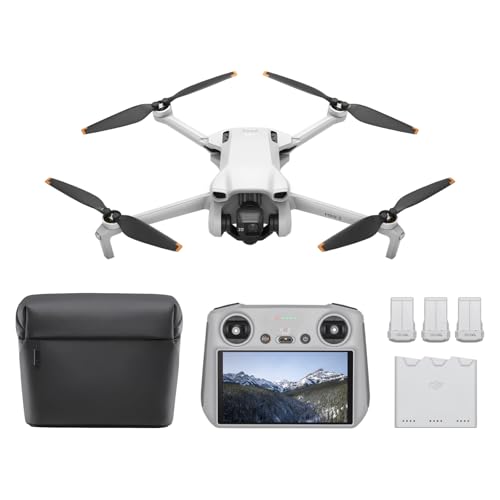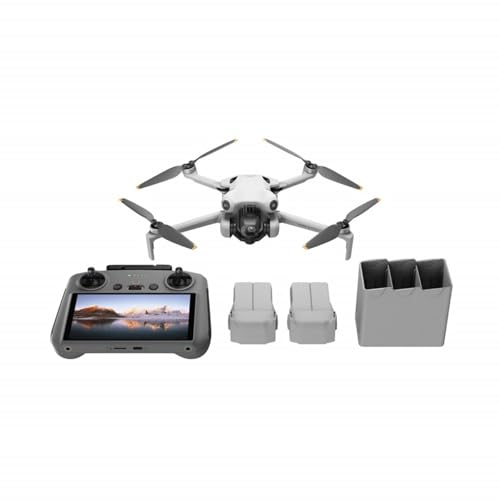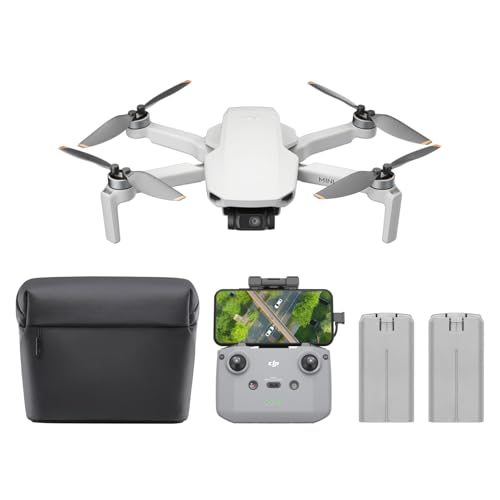
Hey there, adventure seekers and aerial enthusiasts! Dreaming of capturing breathtaking vistas from high above rugged peaks, serene valleys, or vast mountain ranges? You’re not alone. Finding the best drone for mountains isn’t just about picking any drone off the shelf; it’s about finding a robust, reliable, and capable aerial companion that can handle the unique challenges of high-altitude and often unpredictable environments.
Mountain flying demands specific features from your drone – think strong wind resistance, excellent battery life, reliable GPS, and a camera that can truly do justice to the stunning landscapes. It’s no small feat to navigate unpredictable air currents and capture steady footage when you’re thousands of feet up.
In this guide, we’ll dive deep into what makes a drone truly suitable for mountain exploration and review some top contenders. We’ll help you pick the perfect drone to elevate your mountain adventures.
Why Mountain Flying is a Different Beast
Before we jump into our top picks, let’s briefly touch upon why flying in the mountains is tougher than a stroll in the park:
- Altitude Sickness for Drones: Higher altitudes mean thinner air, which reduces lift and can strain motors, impacting performance and battery life.
- Unpredictable Winds: Mountains are notorious for sudden gusts and strong, turbulent winds that can easily destabilize or even carry away a lightweight drone.
- Battery Drain: Cold temperatures common in mountainous regions can significantly reduce battery efficiency and overall flight time.
- Signal Interference: Remote locations might mean weaker GPS signals or more obstacles for transmission, affecting control range and stability.
- Rugged Terrain: Landing and taking off can be tricky on uneven or rocky surfaces.
What to Look for in the Best Drone for Mountains
When you’re searching for the best drone for mountains, keep these key features in mind:
- Strong Wind Resistance: Crucial for maintaining stable flight in gusty conditions.
- Long Battery Life: To maximize exploration time and ensure a safe return, especially when dealing with cold-induced drain.
- Reliable GPS & Navigation: For precise positioning, return-to-home functions, and safe flight planning.
- High-Quality Camera: To capture crisp photos and smooth video footage of those epic mountain views.
- Portability & Durability: A compact, foldable design is a huge plus for hikers, and a sturdy build can withstand accidental bumps.
- Obstacle Avoidance: An extra layer of safety when navigating complex terrain.
- Extended Range: Essential for exploring vast mountain landscapes without losing connection.
Now, let’s explore some of the best drones that rise to these challenges.
Our Top Picks: The Best Drones for Mountains
Here are our chosen drones that stand out for their capabilities in demanding mountain environments.
DJI Mavic 3 Pro
The DJI Mavic 3 Pro isn’t just a drone; it’s a cinematic powerhouse built for serious adventurers and professional aerial photographers. When it comes to mountain flying, this drone truly shines with its impressive triple-camera system, offering unparalleled versatility from wide-angle landscapes to telephoto close-ups. Its robust build and advanced flight stability systems make it incredibly resilient against high winds, while its extended battery life ensures you have ample time to capture every breathtaking moment of your backcountry expedition. If you’re looking for the ultimate tool to document your mountain journeys with cinematic flair, the Mavic 3 Pro is your best bet.
- Triple Camera System: Features a 4/3 CMOS Hasselblad camera, a 70mm medium tele camera, and a 166mm tele camera for diverse shooting options.
- Extended Flight Time: Up to 43 minutes of flight, crucial for long explorations and cold conditions.
- Omnidirectional Obstacle Sensing: Enhanced safety with sensors in all directions.
- O3+ Transmission: Provides a stable and extended transmission range of up to 15 km (FCC), vital in remote mountain areas.
-
Advanced RTH (Return-to-Home): Intelligently plans an optimized route to save power.
-
Pros:
- Exceptional camera quality and versatility for professional-grade content.
- Superior wind resistance and flight stability.
- Industry-leading battery life and transmission range.
- Comprehensive obstacle avoidance for safer flights.
- Cons:
- High price point, making it a significant investment.
- Slightly heavier and larger than mini drones, though still foldable.
- Advanced features might be overkill for casual users.
User Impressions: Users consistently praise the Mavic 3 Pro for its phenomenal image quality and rock-solid stability, even in challenging conditions. Many highlight its reliable performance and long flight times as game-changers for extensive outdoor shoots. While the cost is frequently mentioned, most agree it’s a worthy investment for its capabilities.
DJI Air 3

The DJI Air 3 strikes a fantastic balance between professional capabilities and portability, making it an ideal candidate for those who want high-quality aerial footage without the bulk of larger professional drones. It features a dual-primary camera system, providing both a wide-angle and a 3x medium tele camera, perfect for diverse mountain shots. Its improved battery life and O4 video transmission system offer extended flight times and a reliable connection, even in complex environments. For hikers and adventurers who demand excellent performance and stunning visuals but value a lighter pack, the Air 3 is an outstanding choice.
- Dual Primary Cameras: Equipped with a 1/1.3-inch CMOS wide-angle camera and a 1/1.3-inch CMOS 3x medium tele camera.
- Extended Flight Time: Up to 46 minutes of flight on a single charge.
- Omnidirectional Obstacle Sensing: Helps navigate complex mountain terrains safely.
- O4 Video Transmission: Offers a stable video feed and control range of up to 20 km (FCC).
-
Compact and Foldable: Easy to pack and carry on your mountain treks.
-
Pros:
- Excellent camera versatility with dual sensors.
- Impressive flight time and transmission range.
- Relatively lightweight and portable for its capabilities.
- Strong wind resistance and stable flight.
- More affordable than the Mavic 3 series.
- Cons:
- Not as compact as the Mini series.
- Camera quality, while excellent, isn’t quite at the Mavic 3 Pro’s level.
- Higher cost than entry-level drones.
User Impressions: Reviewers often highlight the Air 3 as the sweet spot in DJI’s lineup, offering near-professional performance without the premium price tag. Its dual cameras are a hit, and users appreciate the extended battery life for longer sessions. Many commend its robust build and reliability, even when faced with blustery conditions.
DJI Mini 4 Pro

Don’t let its “mini” name fool you; the DJI Mini 4 Pro is a surprisingly capable little powerhouse, especially for individual hikers and light travelers. Weighing under 249 grams, it often bypasses strict drone registration requirements in many regions, making it incredibly convenient. Despite its tiny footprint, it boasts omnidirectional obstacle sensing, 4K/60fps HDR video, and an impressive O4 video transmission system. While its smaller size means it’s more susceptible to very strong winds than its larger siblings, its portability and advanced features make it a top contender for capturing mountain memories on the go without weighing down your backpack.
- Ultra-Lightweight (Under 249g): Often bypasses drone registration requirements.
- Omnidirectional Obstacle Sensing: First in the Mini series to feature this, significantly enhancing safety.
- 4K/60fps HDR Video: Captures stunningly clear and vibrant footage.
- Extended Flight Time: Up to 34 minutes (or 45 minutes with Intelligent Flight Battery Plus, where permitted).
-
O4 Video Transmission: Reliable and extended range for a mini drone.
-
Pros:
- Exceptional portability, perfect for backpacking and travel.
- Advanced safety features for its size, including obstacle avoidance.
- High-quality camera capable of HDR video.
- Excellent transmission range for a mini drone.
- Quiet operation, less intrusive in nature.
- Cons:
- More susceptible to strong winds than larger drones.
- Battery life is good but not as long as the Air or Mavic series.
- Smaller sensor size means lower light performance compared to pro models.
User Impressions: Users are consistently amazed by the Mini 4 Pro’s feature set packed into such a tiny drone. Its portability is a major selling point for hikers and casual adventurers, and the obstacle avoidance is a welcome addition for peace of mind. While acknowledging its limitations in very high winds, many find its performance for its size to be unparalleled.
Generic 4K HD FPV Foldable Drone (Example: Drones with Camera for Adults 4k HD FPV, Foldable Remote…)

For those just dipping their toes into drone flying or looking for a very budget-friendly option, this generic 4K HD FPV foldable drone offers a starting point. It’s designed for ease of use and basic fun, making it accessible for beginners. With foldable arms and a compact design, it’s easy to carry, and features like altitude hold mode provide stable basic flight. While it boasts a 4K wide-angle camera for decent pictures and video and offers Wi-Fi FPV for real-time transmission, it’s important to manage expectations regarding its performance in challenging mountain conditions compared to the more specialized drones listed above. It’s best suited for gentle flying in milder weather, not the unpredictable gusts of the high peaks.
- Foldable Arms: Small size, easy to carry.
- Dual Camera Switch: Offers flexibility, though quality may vary.
- Altitude Hold Mode: Provides stable flight for beginners.
- WiFi FPV: Connects to app for real-time video transmission.
- 4K Wide Angle Camera: Captures basic high-definition pictures and video.
- Trajectory Flight: Draw a flight path on the screen.
- Headless Mode: Simplifies control orientation.
- 2.4GHz Technology: For anti-interference.
- 3-level Flight Speed: For varying fun and control.
-
Lightweight and Durable: Made of resistant engineering plastics.
-
Pros:
- Very affordable and accessible for beginners.
- Foldable and portable design.
- Easy to control with features like altitude hold and headless mode.
- Basic 4K camera for casual use.
- Cons:
- Limited wind resistance, not suitable for gusty mountain conditions.
- Shorter flight range and battery life compared to premium drones.
- Camera quality and stabilization are basic; not for serious photography.
- Lack of advanced obstacle avoidance and GPS reliability in complex terrain.
- Not a true “best drone for mountains” in terms of ruggedness and performance.
User Impressions: Customers typically find this type of drone to be a fun, entry-level gadget, perfect for kids or adults new to drones. They appreciate its ease of use and portability for casual outdoor flights. However, many note its limitations regarding wind and range, emphasizing that it’s a toy-grade drone rather than a serious tool for demanding environments like mountains.
FAQ: Flying Drones in the Mountains
Navigating the unique challenges of mountain flying raises a lot of questions. Here are some of the most common ones:
Q1: What’s the biggest challenge for drones flying at high altitudes?
A1: The biggest challenge is thinner air. Thinner air provides less lift for the drone’s propellers, forcing the motors to work harder. This can lead to reduced flight performance, lower speeds, less stable hovering, and significantly shorter battery life.
Q2: How important is wind resistance for a drone in the mountains?
A2: Extremely important! Mountains are known for unpredictable and strong wind gusts, as well as turbulent air. A drone with excellent wind resistance can maintain stability, hold its position, and safely return to its pilot, preventing crashes or being carried away.
Q3: Does cold weather affect drone batteries?
A3: Yes, absolutely. Cold temperatures reduce the efficiency of LiPo batteries, leading to a noticeable decrease in flight time. Always ensure your batteries are warm before takeoff (e.g., by carrying them in an inside pocket) and monitor their charge closely during flight in cold conditions.
Q4: Can all drones fly above a certain altitude?
A4: While many drones can physically reach high altitudes, their performance will be significantly degraded due to thinner air. Most consumer drones have a soft limit around 500-600 meters (about 1600-2000 feet) above the takeoff point for optimal performance. The legal flight ceiling is often much lower (e.g., 400 feet AGL in the US). Always be aware of local regulations regarding altitude limits.
Q5: What’s the best way to ensure drone safety in rugged mountain terrain?
A5: Prioritize pre-flight planning: check weather forecasts (especially wind), scout your takeoff/landing spots, and map your flight path for potential obstacles. During flight, utilize obstacle avoidance features, keep the drone within your line of sight, and always monitor battery levels. Having a “Return-to-Home” function with reliable GPS is also crucial.
Q6: Are there any specific legal considerations for flying drones in national parks or wilderness areas?
A6: Yes, many national parks, wilderness areas, and protected lands have strict regulations or outright bans on drone flying to protect wildlife, preserve natural quiet, and ensure visitor safety. Always research and comply with local, state, and federal regulations for the specific area you plan to fly in before you even pack your drone. Ignorance of the law is not an excuse!
Q7: How can I protect my drone from mountain elements like dust and moisture?
A7: While most consumer drones aren’t fully waterproof, you can take precautions. Avoid flying in rain or heavy mist. Use a landing pad to prevent dust and debris from getting into motors and sensors during takeoff and landing. Store your drone in a protective, weather-resistant case when not in use, especially during transport.
Conclusion
Choosing the best drone for mountains involves a careful balance of power, portability, and sophisticated flight technology. While budget-friendly options can offer a taste of aerial photography, serious mountain adventurers will benefit immensely from investing in drones like the DJI Mavic 3 Pro, Air 3, or Mini 4 Pro, which are specifically designed to handle the rigors of high-altitude and windy conditions.
No matter which drone you choose, remember that responsible flying is paramount. Always prioritize safety, respect wildlife and nature, and abide by all local regulations. With the right drone in hand, you’re all set to capture the majestic beauty of the mountains from a whole new perspective! Happy flying, and may your aerial adventures be as grand as the peaks themselves!