Drone racing is an exhilarating hobby that demands speed, agility, and, most importantly, reliable power. Without the right battery, even the most skilled pilot or advanced drone won’t perform to its full potential. That’s why finding the best batteries for drone racing isn’t just about longer flight times; it’s about optimizing power delivery, discharge rates, and overall performance to stay ahead of the pack.
Choosing the perfect battery can be a bit overwhelming with all the technical jargon – C-ratings, mAh, S-counts, oh my! But don’t you worry, we’re here to break it all down. We’ve scoured the market to bring you a hand-picked selection of top-tier LiPo and LiHV batteries designed to give your racing drone the juice it needs to dominate the skies. Whether you’re a seasoned racer or just getting started, getting your power source right is a game-changer. Let’s dive into our top picks!
Understanding Your Drone Racing Batteries
Before we jump into the reviews, let’s quickly demystify a few crucial terms you’ll encounter when looking for the best batteries for drone racing:
- mAh (Milliampere-hour): This indicates the battery’s capacity – essentially, how much “fuel” it holds. Higher mAh generally means longer flight times, but also potentially more weight.
- S (Cell Count): Refers to the number of cells in series. More “S” (e.g., 4S, 6S) means higher voltage, which translates to more power and speed for your motors. Ensure your drone and ESCs (Electronic Speed Controllers) can handle the voltage.
- C-Rating (Discharge Rate): This is super important for racing! It tells you how quickly the battery can safely discharge its power. A higher C-rating (like 80C, 100C, 120C) means the battery can deliver bursts of power needed for aggressive maneuvers without overheating or “sagging” (losing voltage under load).
Now that you’re armed with that knowledge, let’s look at the contenders!
Our Top 7 Best Batteries for Drone Racing
1. Karuisrc Rechargeable Drone Battery

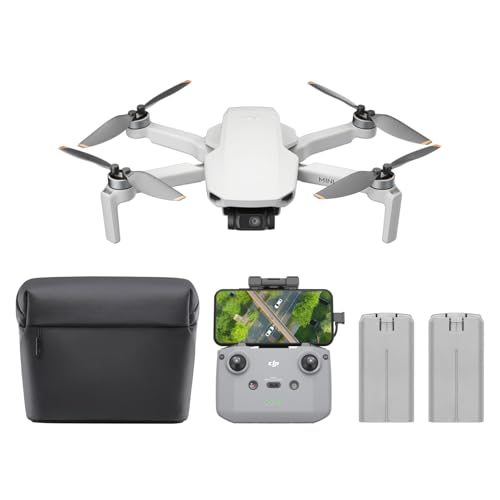
This Karuisrc battery is a solid choice for pilots looking for a dependable power source for a variety of drone models, especially those designed for a good balance of flight time and ease of use. Its modular design is a standout feature, making battery swaps quick and hassle-free, which is perfect for keeping your drone in the air rather than on the ground. It promises a decent 20 minutes of flight time, making it suitable for extended practice sessions or casual flying before needing a recharge.
-
Key Features:
- Modular Battery design for easy swaps
- Offers up to 20 minutes of flight time
-
Pros:
- Convenient modular system
- Good flight duration for its class
- Generally user-friendly
-
Cons:
- Specific compatibility might be limited to certain drone models
- C-rating and voltage not specified, limiting its use for high-performance racing
-
User Impressions: Users appreciate the simplicity and the respectable flight time offered by this battery. The modular aspect frequently receives praise for making their drone flying experience smoother and more enjoyable, especially for recreational use.
2. GNB 4pcs 520mAh 1S LiPo Battery 80C HV 3.8v LiHV

For the tiny whoop and micro drone enthusiasts, the GNB 520mAh 1S LiPo battery is a game-changer. This isn’t just any 1S battery; it’s an upgraded LiHV (High Voltage) version that pushes the boundaries of what these small drones can do. With an impressive 80C discharge rate, it delivers snappy performance crucial for competitive tiny whoop racing, letting you carve corners and accelerate like never before. Its custom PH2.0 connector ensures optimal power delivery for popular models like the EMAX Tinyhawk and BETAFPV Beta75.
-
Key Features:
- Upgrade 520mAh 1S LiHV battery (3.8v nominal)
- High 80C discharge rate for powerful performance
- JST-PH 2.0 (Powerwhoop mCPX) connector for wide compatibility with tiny whoops
- Small size (64156 mm) and optimized weight (13.42g)
- Newly developed chemistry for longer flight time and safer charging
-
Pros:
- Significantly boosts performance of brushed and brushless 1S whoops
- LiHV technology provides longer flight times and sustained power
- Excellent discharge rate for aggressive flying
- Perfect fit and connector for many popular micro drones
-
Cons:
- Requires a LiHV-compatible charger for full benefits
- Small capacity means shorter overall flight times compared to larger drone batteries
-
User Impressions: Pilots consistently report a noticeable increase in punch and agility when switching to these GNB LiHV batteries. The improved flight time over standard 1S LiPo batteries is a huge plus, making these a go-to choice for serious tiny whoop racers.
3. Zeee 11.1V 120C 1500mAh 3S RC Lipo Battery Graphene

The Zeee 3S 1500mAh Graphene LiPo battery is a powerhouse designed for serious FPV pilots and racers. Featuring Graphene technology, this battery boasts an incredibly high 120C discharge rate, ensuring your drone has instant access to maximum power for those crucial accelerations and recoveries during a race. Its 1500mAh capacity provides a solid balance of flight time and performance for 250-class quadcopters and similar setups, making it a reliable workhorse for competitive flying.
-
Key Features:
- Graphene LiPo technology for enhanced performance and longevity
- High 120C discharge rate for powerful thrust
- 11.1V (3S) 1500mAh capacity
- Standard XT60 Plug
- Compact dimensions (6834.527.5mm) and reasonable weight (134g)
- Compatible with a wide range of FPV drones like QAV250, Vortex, Emax Nighthawk 250
-
Pros:
- Exceptional power delivery due to Graphene and high C-rating
- Good capacity for satisfying flight durations
- Durable and long-lasting cycle life
- Widely compatible with popular FPV racing drone models
-
Cons:
- Might be overkill for very casual flying (though no real downside)
- Graphene batteries can sometimes be slightly heavier or pricier than standard LiPo alternatives
-
User Impressions: Racers rave about the consistent power delivery and minimal voltage sag even under heavy loads. The durability and high cycle count mean these batteries stand up to repeated abuse, making them a favorite for pilots who demand peak performance flight after flight.
4. OVONIC 4s Lipo Battery 100C 1300mAh 14.8V Lipo Battery

When it comes to 4S power, the OVONIC 100C 1300mAh LiPo battery is a fantastic contender for your racing drone. This 14.8V pack delivers a robust 100C discharge rate, giving you the responsive punch needed for aggressive FPV freestyle and racing. OVONIC takes pride in its ISO-certified quality, premium materials, and impressive longevity, promising a longer cycle life and improved running time. Its specific compatibility with iFlight cine-whoops highlights its versatility for different FPV applications.
-
Key Features:
- 14.8V (4S) 1300mAh LiPo battery
- Strong 100C discharge rate
- XT60 discharging plug and JST-XHR-5P charging plug
- ISO international quality certification
- Premium LiCoO2 materials for longer cycle life (350+ times)
- Optimized for lighter weight (-5%) and lower internal resistance (-4%)
- Dimensions: 693229mm, Weight: 156g
-
Pros:
- Excellent power output for 4S setups
- Reputable brand with quality certifications
- Longer lifespan and consistent performance
- Reduced weight benefits agility in racing drones
-
Cons:
- Dedicated charger recommended for optimal safety and performance (though standard LiPo chargers work)
- 1300mAh might be slightly less capacity for those desiring longer flights
-
User Impressions: Pilots often comment on the consistent power delivery and how well these batteries hold their voltage even when pushed hard. The quality construction and reliable performance make them a popular choice for both freestyle and racing pilots who fly 4S drones.
5. OVONIC 6s Lipo Battery 120C 1600mAh 22.2V Lipo Battery

For the ultimate in power and speed, look no further than the OVONIC 120C 1600mAh 6S LiPo battery. This 22.2V beast is designed for high-performance racing drones that demand maximum voltage and current. With a blistering 120C discharge rate, it ensures that your motors get an instantaneous surge of power, allowing for insane acceleration and unmatched control. Like its 4S counterpart, this OVONIC battery features premium LiCoO2 materials, ISO certification, and boasts an extended cycle life, making it a durable choice for intense racing.
-
Key Features:
- High voltage 22.2V (6S) 1600mAh LiPo battery
- Blazing 120C discharge rate
- XT60 discharging plug and JST-XHR-7P charging plug
- ISO international quality certification and premium LiCoO2 materials
- Longer cycle life (350+ times) and optimized performance (+12% running time)
- Dimensions: 743555mm, Weight: 269g
-
Pros:
- Extreme power and speed for demanding 6S racing drones
- High C-rating ensures minimal voltage sag under heavy load
- Superior build quality and reliability
- Excellent capacity for a 6S racing pack
-
Cons:
- Higher voltage batteries require more careful handling and charging
- Heavier than lower S-count batteries, which can impact lighter racing builds
-
User Impressions: Pilots who use 6S setups consistently praise the immense power and responsiveness these OVONIC batteries provide. They are considered a staple for serious racers looking for that extra edge in speed and aggressive flight performance, holding up well under rigorous race conditions.
6. Tosiicop 3.7v Drone Lipo Battery – 2 Pack 650mAh

If you’re flying smaller, recreational drones like the Syma X5C or similar models, the Tosiicop 3.7v 650mAh LiPo battery pack is a fantastic upgrade. This 2-pack ensures you have extra flight time, letting you enjoy your quadcopter longer. With an XH2.54 connector, it’s tailored for specific entry-level quadcopters, offering a straightforward replacement or upgrade. Plus, the ability to charge via a power bank or computer makes it super convenient for flying on the go.
-
Key Features:
- 3.7V (1S) 650mAh LiPo drone battery (2-pack)
- XH2.54 connector for specific model compatibility (e.g., Syma X5C, X5SW)
- Compact size (1.730.350.98 inch) and light weight (17.6g each)
- Includes 2 charging cables
- Flexible charging options (home, power bank, car, computer)
-
Pros:
- Increases flight time for compatible recreational drones
- Convenient 2-pack for extended fun
- Versatile charging options
- Easy to install and use as a direct replacement
-
Cons:
- Low voltage and capacity unsuitable for true racing drones
- Strictly for specific beginner/toy grade drones; check compatibility carefully
-
User Impressions: Users appreciate getting two batteries for the price, effectively doubling their flight time for their smaller drones. The ease of charging and perfect fit for models like the Syma X5C are frequently highlighted, making it a popular choice for casual flyers.
7. OVONIC 4s Lipo Battery 100C 1550mAh 14.8V Lipo Battery

Rounding out our list is another stellar offering from OVONIC: the 4S 100C 1550mAh LiPo battery. This battery maintains the high discharge rate and quality of its 1300mAh sibling but offers a boost in capacity, providing even longer flight times for your 4S FPV racing drone. If you love the punch of a 4S setup but want a little more endurance for freestyle sessions or longer race tracks, this 1550mAh version is a no-brainer. It brings the same ISO certification, premium LiCoO2 materials, and optimized performance you expect from OVONIC.
-
Key Features:
- 14.8V (4S) 1550mAh LiPo battery
- Robust 100C discharge rate
- XT60 discharging plug and JST-XHR-5P charging plug
- ISO international quality certification and premium LiCoO2 materials
- Extended cycle life (350+ times) and enhanced running time (+12%)
- Dimensions: 723537mm, Weight: 184g
- Compatible with various FPV quadcopters including Nemesis 240 and MXP180
-
Pros:
- Excellent balance of power and increased flight time for 4S drones
- Reliable performance with minimal voltage sag
- High-quality construction for durability
- Good compatibility with many popular racing drone frames
-
Cons:
- Slightly heavier than lower capacity 4S batteries, which might marginally affect extreme agility
- Requires proper LiPo charging practices for safety and longevity
-
User Impressions: Many pilots switch to this 1550mAh version for its noticeable increase in flight duration without a significant compromise on power. They report solid performance throughout the discharge cycle, making it a reliable choice for longer, more demanding flights.
Final Thoughts on the Best Batteries for Drone Racing
There you have it – our top picks for the best batteries for drone racing. From tiny whoops to screaming 6S beasts, the right battery truly makes all the difference. Remember, the perfect battery isn’t just about the biggest numbers; it’s about matching the battery’s specifications (S-count, mAh, C-rating) to your drone’s requirements and your flying style.
Investing in quality batteries from reputable brands like GNB, Zeee, and OVONIC ensures not only peak performance but also safety and longevity. So go ahead, pick the battery that empowers your drone to fly faster, longer, and with more precision. Happy flying, and may your flights be full of exhilarating wins!
FAQ: Everything You Need to Know About Drone Racing Batteries
Q1: What is a LiPo battery and why is it used in drone racing?
A1: LiPo stands for Lithium Polymer. These batteries are preferred in drone racing because they offer a high power-to-weight ratio, meaning they can deliver a lot of power for their size and weight. They also have high discharge rates (C-ratings), which is crucial for the sudden bursts of power required for aggressive drone racing maneuvers.
Q2: What do “S” and “C” mean in drone batteries?
A2: “S” refers to the number of cells connected in series, indicating the battery’s voltage (e.g., 3S = 11.1V, 4S = 14.8V, 6S = 22.2V). Higher “S” means higher voltage and more power. “C” stands for the discharge rate, which dictates how much current the battery can safely deliver. A higher C-rating (e.g., 100C) means the battery can provide more power quickly, which is essential for rapid acceleration and high-performance racing.
Q3: How important is mAh for drone racing batteries?
A3: mAh (Milliampere-hour) indicates the battery’s capacity or how much energy it stores. Higher mAh generally means longer flight times. However, for drone racing, a higher mAh also means more weight. Racers often look for a balance: enough mAh for a few minutes of intense flight without making the drone too heavy and sluggish.
Q4: How can I prolong the life of my drone racing batteries?
A4: To extend battery life:
* Don’t over-discharge: Never let the voltage per cell drop below 3.3V (for LiPo) or 3.5V (for LiHV).
* Don’t over-charge: Always use a LiPo/LiHV compatible charger and never charge above 4.2V per cell (for LiPo) or 4.35V per cell (for LiHV).
* Balance charge: Always balance charge your LiPo batteries to ensure all cells have equal voltage.
* Store properly: Store at a “storage voltage” (around 3.8V-3.85V per cell) in a cool, dry place, ideally in a fireproof LiPo bag.
* Avoid physical damage: Punctures or impacts can be extremely dangerous.
Q5: What’s the difference between a LiPo and a LiHV battery?
A5: LiHV (Lithium High Voltage) batteries are an evolution of LiPo batteries. They can be safely charged to a higher voltage per cell (4.35V) compared to standard LiPo batteries (4.2V). This higher voltage translates to more power and slightly longer flight times for the same capacity, offering a performance boost, especially for smaller drones.
Q6: What kind of charger should I use for drone racing batteries?
A6: You should always use a smart balance charger specifically designed for LiPo and/or LiHV batteries. These chargers monitor each cell’s voltage during charging, preventing overcharging and ensuring all cells are balanced, which is crucial for safety and battery longevity. Look for chargers with multiple safety features and the ability to charge different S-counts.
Q7: Can I mix and match different S-count batteries on my drone?
A7: No, absolutely not. Your drone’s motors, ESCs (Electronic Speed Controllers), and flight controller are designed to operate within a specific voltage range (S-count). Using a battery with a higher or lower S-count than your system is rated for can severely damage or destroy your components. Always check your drone’s specifications for compatible battery S-counts.