Riding a motorcycle isn’t just a hobby; it’s an adventure, a lifestyle, and for many, a story waiting to be told. If you’re into motovlogging, you know the thrill of sharing your journey with the world. But let’s be honest, ground-level camera angles can only show so much. That’s where drones come in, elevating your content (literally!) to breathtaking new heights. Finding the best drone for motovlogging can be a game-changer, offering perspectives that’ll make your videos truly stand out.
Imagine sweeping aerial shots of your bike carving through scenic mountain roads, or dynamic follow-me footage as you cruise along a coastal highway. Drones unlock a whole new dimension of storytelling for motorcyclists. But with so many options out out there, which one is right for your two-wheeled escapades?
In this article, we’ll dive into what makes a great motovlogging drone, look at a couple of popular options, and help you decide which tool best fits your filming needs.
Why a Drone for Motovlogging?
So, why bother adding a drone to your already extensive gear list? Simple: visual impact.
- Unique Perspectives: Drones give you an unmatched bird’s-eye view, capturing the scale of your journey and the beauty of the landscapes you traverse.
- Dynamic Following Shots: With advanced features like “follow me” mode, a drone can autonomously track your motorcycle, creating thrilling and professional-looking action sequences.
- Stunning B-roll: Need to break up the helmet cam footage? Aerial cutaways of your bike parked in a majestic setting or taking off down an open road add significant production value.
- Professional Polish: A well-placed drone shot can instantly make your motovlogs look more cinematic and engaging, attracting more viewers to your channel.
What to Look for in Your Motovlogging Drone
Choosing the best drone for motovlogging isn’t just about the camera; it’s about practicality, performance, and portability on the road. Here’s what discerning riders should consider:
- Portability & Durability: Your drone needs to be compact, foldable, and tough enough to withstand being packed on a motorcycle. Think about how much space it will take up in your tank bag or backpack.
- Camera Quality & Stabilization: Look for 4K video capabilities and, most importantly, a robust gimbal stabilization system. Shaky aerial footage is a big no-no! Good electronic image stabilization (EIS) can also help.
- Flight Time & Battery Life: Longer flight times (15-20+ minutes per battery) are crucial. You don’t want to land just as you’re getting the perfect shot. Multiple batteries are a must.
- Ease of Use & Smart Features: GPS, one-button take-off/landing, and “follow me” modes are invaluable for solo motovloggers. Obstacle avoidance can also save you from costly crashes.
- Wind Resistance: Motorcycles often travel in open areas. Your drone needs to be able to handle moderate winds for stable footage.
- Range & Connectivity: A reliable control range and FPV (First Person View) capabilities allow you to see what the drone sees in real-time, helping you frame those epic shots.
- Price: Drones range from budget-friendly options to professional-grade machines. Balance the features you need with what you’re willing to spend.
Product Reviews: Finding Your Perfect Filming Companion
We’ve scoured the market to bring you a look at two options that might pique your interest for motovlogging, though one requires a crucial clarification.
1. 4K Foldable FPV Drone for Dynamic Shots

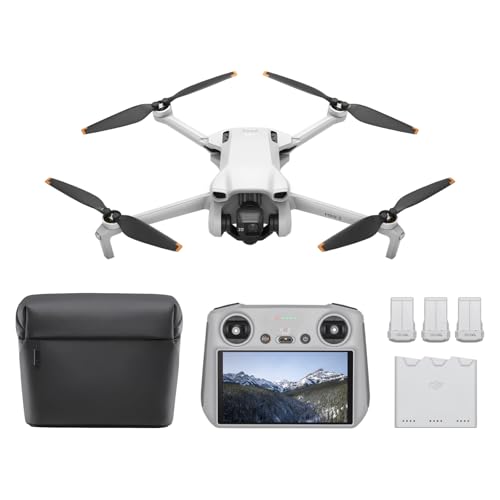
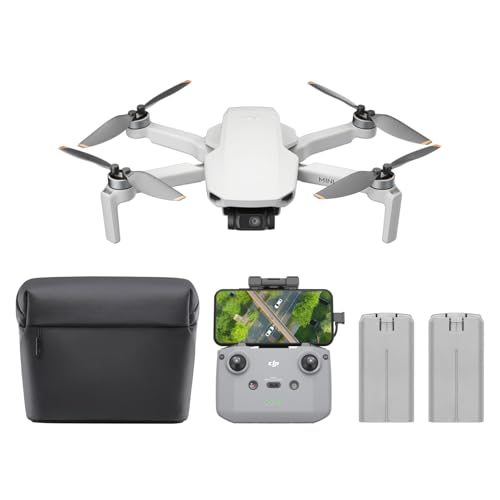
This drone is designed for adventure enthusiasts who want to capture breathtaking aerial footage without breaking the bank. Its foldable design makes it incredibly portable – perfect for stashing in your tank bag or backpack when you’re out on the road. With its dual 4K camera and FPV capabilities, you can get incredible shots that elevate your motovlogging to the next level, offering a fantastic entry point for aspiring aerial videographers.
Key Features:
– Foldable arms for easy portability and storage
– Dual 4K wide-angle camera for high-definition pictures and video
– Altitude Hold Mode provides stable flight, making it easier to control
– WiFi FPV function connects to an app for real-time video transmission to your phone
– Trajectory Flight allows you to draw a path on the screen for autonomous flight
– Headless Mode simplifies control, no need to adjust aircraft position before flying
– 3-level flight speed to switch between for varied flying experiences
– Made from high-strength, lightweight, and durable engineering plastics
Pros:
– Excellent portability, ideal for motorcycle travel and limited space
– Good camera resolution (4K) for its price point, delivering crisp visuals
– User-friendly with features like Altitude Hold and Headless Mode, great for beginners
– Fun to fly with adjustable speeds, appealing to various skill levels
– Offers an affordable entry into aerial videography for motovlogs
Cons:
– Battery life may be limited for extended shooting sessions (common for budget drones)
– Advanced ‘follow me’ tracking might be less sophisticated than premium models
– Wind resistance might not be as robust as higher-end, heavier drones
– The “dual camera” feature can sometimes mean a primary 4K and a lower-resolution secondary for specific functions.
User Impressions: Riders and casual users alike love how easy this drone is to take on their trips, frequently noting its compact size and decent camera quality for capturing those epic scenic views. Many appreciate the stability features for smooth footage, making it a great option for those just starting out with drone photography for their motovlogs. It’s seen as a solid budget-friendly option for getting aerial shots.
Call to Action: See it on Amazon here
2. Drone XC: Vehicle Security & Road Monitoring System (Not a Flying Drone)

Now, before you get too excited thinking this is a flying companion for your motorcycle, let’s clarify an important point: The Drone XC is not a flying drone in the traditional sense. Instead, it’s a cutting-edge 2K dash camera and vehicle security system that brings a different kind of “drone” monitoring to your ride. While it won’t give you aerial shots, it’s an incredibly powerful tool for recording your on-road experiences and protecting your bike, offering a different but valuable kind of “vlogging” perspective from inside your vehicle. It’s about comprehensive surveillance rather than aerial cinematography.
Key Features:
– Will connect to an aftermarket remote start or security system for integrated protection
– Monitors your vehicle on and off the road, ensuring you never miss a thing
– Records continuously from the moment your ignition turns on to when it turns off
– Features a high-quality 2K front camera with a Sony STARVIS sensor for clear footage
– Delivers 154 degrees of wide surveillance coverage for your vehicle
– Requires only a small footprint when it’s mounted to your windshield or dash
Pros:
– Excellent for vehicle security, providing critical evidence in case of incidents
– High-quality 2K camera captures very clear on-road footage, even in low light
– Wide surveillance angle offers comprehensive coverage of your surroundings
– Seamless integration with existing vehicle security systems for enhanced protection
– Provides peace of mind for valuable motorcycles, acting as an always-on witness
Cons:
– Crucially, this is NOT a flying drone for aerial motovlogging footage. This is important to understand.
– Typically requires professional installation for full functionality, especially with aftermarket systems.
– Does not offer the dynamic, sweeping aerial perspectives that a flying drone provides.
User Impressions: Owners praise the Drone XC for its reliability as a dash camera and security device. They frequently highlight the crisp video quality, especially in challenging lighting conditions thanks to the Sony STARVIS sensor, and deeply appreciate the added layer of protection it offers their vehicles. While not a flying drone, it’s highly regarded for its intended purpose of vehicle monitoring and recording.
Call to Action: See it on Amazon here
Conclusion
Adding a drone to your motovlogging setup can truly transform your content, taking your viewers on a more immersive and visually stunning journey. When choosing the best drone for motovlogging, prioritize portability, camera quality with good stabilization, and features that make flying easy while you’re focused on the road.
The “4K Foldable FPV Drone” offers a fantastic, budget-friendly gateway into aerial photography for your motorcycle adventures. Meanwhile, the “Drone XC” provides a different kind of “vlogging” value, excelling as a vehicle security and dash camera system, though it won’t give you those coveted aerial shots.
Ultimately, your choice depends on whether you’re chasing those high-flying cinematic shots or seeking robust on-road recording and security. Whichever you choose, happy riding and happy filming!
FAQ Section: Your Motovlogging Drone Questions Answered
1. What’s the best drone for motovlogging if I’m on a budget?
For budget-conscious motovloggers, focus on drones that offer a decent 1080p or 4K camera, stable flight features like altitude hold, and excellent portability. The “4K Foldable FPV Drone” reviewed above is a great starting point, providing good value for aerial footage without breaking the bank.
2. How important is a “follow me” mode for motovlogging?
A “follow me” mode is incredibly important for solo motovloggers! This feature allows the drone to automatically track you and your motorcycle, freeing you up to concentrate on riding while still capturing dynamic, moving footage. It’s a key feature for achieving cinematic shots without needing a dedicated drone pilot.
3. Can I legally fly a drone anywhere for my motovlogs?
No, drone laws vary significantly by region, country, and even local municipalities. Always check local regulations, airspace restrictions (e.g., near airports, national parks, or crowded areas), and privacy laws before launching your drone. Prioritizing safety and legality is crucial.
4. What kind of battery life should I look for in a motovlogging drone?
For effective motovlogging, aim for drones with at least 15-20 minutes of flight time per battery. Since you’ll likely be away from charging points, carrying multiple charged batteries is highly recommended to extend your shooting sessions and ensure you don’t miss any epic moments.
5. Is camera stabilization important for drone footage on a motorcycle?
Absolutely! Gimbal stabilization (mechanical) or advanced electronic image stabilization (EIS) is crucial for smooth, professional-looking video. Without it, your footage can appear shaky, wobbly, and ultimately unwatchable, especially with drone movements or wind interference. Good stabilization makes all the difference.
6. How do I carry a drone on my motorcycle safely?
Look for compact, foldable drones that come with or fit into a sturdy, padded protective case. Store this case securely within a robust backpack or tank bag. Ensure it’s well-secured to minimize vibrations and protect against potential impacts or adverse weather conditions during your ride.
7. Why did you include a dash camera in an article about motovlogging drones?
We included the “Drone XC” to address potential confusion due to its name. It’s vital to clarify that despite “Drone” in its title, it’s a vehicle security and dash camera system, not a flying drone. While it doesn’t offer aerial views, it excels at recording on-road footage and enhancing vehicle security, which can still be valuable for a different, ground-level aspect of motovlogging.