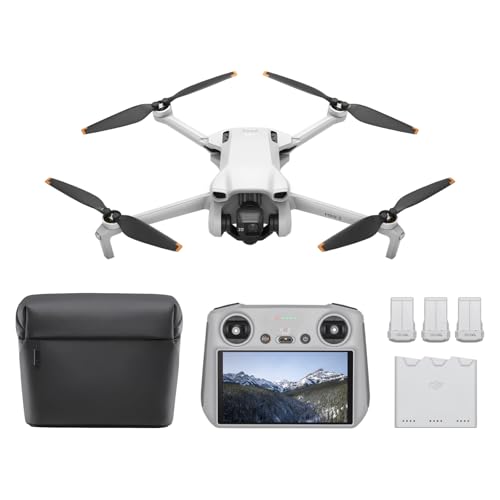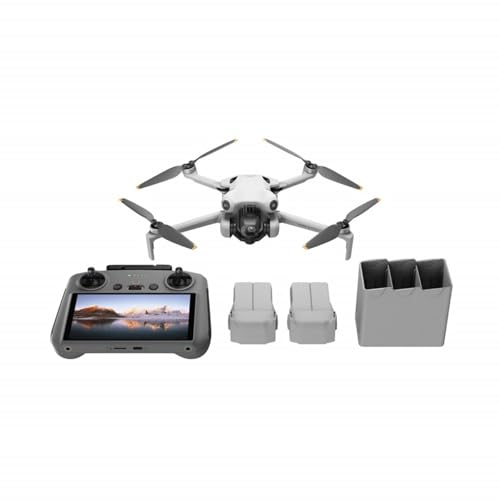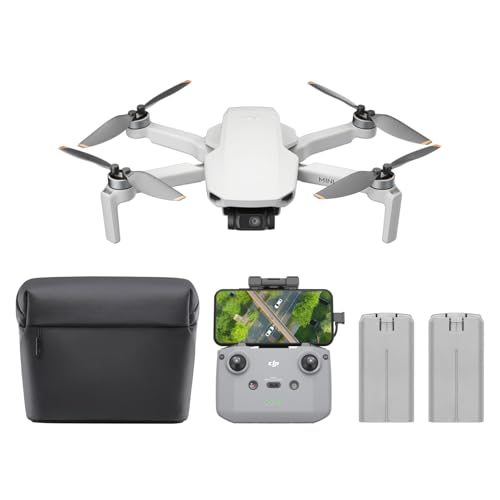
Navigating the commercial real estate market today means leveraging every tool at your disposal. And when it comes to capturing stunning visuals, precise data, and engaging aerial perspectives, the best drone for commercial real estate can be an absolute game-changer. Forget static ground photos; drones offer unparalleled views for property listings, construction site monitoring, land surveys, and detailed roof inspections. They help potential buyers visualize scale, context, and potential like never before.
Choosing the right drone, however, isn’t just about getting a camera in the sky. It’s about selecting a reliable, feature-rich device that meets the specific demands of property analysis, high-resolution aerial photography, and robust data collection. You need something that offers excellent flight stability, superior image quality, and often, advanced safety features and mapping capabilities.
We’ve scouted the market to bring you a list of the top contenders. Whether you’re a seasoned real estate professional or a drone service provider specializing in aerial imaging, finding the perfect aerial companion is crucial. Let’s dive into our picks for the best drone for commercial real estate to help you make an informed decision and truly elevate your property marketing efforts.
1. DJI Mavic 3 Enterprise

The DJI Mavic 3 Enterprise series truly redefines what a compact drone can do for professional applications. This isn’t just a hobby drone with a nice camera; it’s a powerhouse engineered for detailed property inspections, precise mapping, and comprehensive site surveys. Its mechanical shutter eliminates motion blur, ensuring crisp images for mapping projects, while its high-resolution camera captures stunning visuals that make any commercial property stand out. If you’re looking for an all-in-one solution that delivers accuracy and efficiency, the Mavic 3 Enterprise is a strong contender.
-
Key Features:
- 4/3 CMOS 20MP wide-angle camera with mechanical shutter
- 56x hybrid zoom camera
- RTK Module for centimeter-level positioning accuracy
- Omnidirectional obstacle avoidance system
- Up to 45 minutes max flight time
- Compact and foldable design
-
Pros:
- Exceptional image and video quality for detailed visuals
- Highly accurate for mapping and surveying tasks
- Reliable and stable flight performance
- Robust safety features enhance operational security
- Good balance of portability and professional capability
-
Cons:
- Higher price point due to advanced features
- Some advanced features require a learning curve
- Can be overkill for very basic aerial photography needs
-
User Impressions: Professionals consistently praise the Mavic 3 Enterprise for its reliability and precision. Many highlight its ability to capture stunning, highly detailed images and its invaluable RTK module for accurate property measurements and 3D modeling. It’s often cited as a significant upgrade for serious commercial applications.
2. Autel EVO II Pro Enterprise

The Autel EVO II Pro Enterprise is another formidable option for commercial real estate, often seen as a direct competitor to DJI’s enterprise offerings. What sets this drone apart is its superb 6K camera, delivering incredible detail and flexibility in post-production, making it ideal for high-end marketing materials. Coupled with an impressive flight time and robust obstacle avoidance, it’s a dependable workhorse for extensive property surveys and capturing large commercial sites. Its open SDK also provides flexibility for custom integrations, appealing to specialized drone service providers.
-
Key Features:
- 1-inch CMOS sensor with 6K video and 20MP stills
- Adjustable aperture (f/2.8-f/11) for versatile lighting conditions
- Up to 40 minutes max flight time
- 12-sensor omnidirectional obstacle avoidance
- Modular payload system (optional thermal or spotlight)
- Compact, foldable design
-
Pros:
- Outstanding 6K camera provides superior detail and dynamic range
- Long flight time allows for extensive data collection per session
- Robust obstacle avoidance system ensures safer flights
- Modular design offers upgrade potential for various tasks
- Excellent choice for detailed aerial photography and videography
-
Cons:
- Enterprise accessories can quickly increase the overall cost
- Software ecosystem might not be as expansive as DJI’s
- User interface can feel less intuitive for some new users
-
User Impressions: Users frequently commend the EVO II Pro Enterprise for its exceptional camera quality and reliability. Many appreciate its longer flight times and the peace of mind offered by its obstacle avoidance, making it a favorite for complex and large-scale real estate projects. Its robust build quality is also a recurring positive.
3. Skydio 2+ Enterprise

For those commercial real estate tasks that involve complex structures or require highly autonomous operation, the Skydio 2+ Enterprise stands out. Its core strength lies in its AI-powered autonomous flight capabilities and unmatched obstacle avoidance, allowing it to fly itself in intricate environments where other drones would struggle. This makes it particularly effective for detailed building envelope inspections, construction progress tracking, and 3D modeling of challenging sites. If you need a drone that can navigate autonomously and keep itself safe, the Skydio 2+ is in a league of its own.
-
Key Features:
- 4K60 HDR video capture
- Six 4K navigation cameras for 360-degree obstacle avoidance
- AI-powered autonomous flight and subject tracking
- Up to 27 minutes max flight time with standard battery
- Skydio Cloud for data management and collaboration
- Compact and durable design
-
Pros:
- Industry-leading autonomous flight and obstacle avoidance
- Ideal for inspecting complex structures safely
- Reduces pilot workload, allowing focus on data capture
- High-quality video and photography capabilities
- Great for generating accurate 3D models
-
Cons:
- Shorter flight time compared to some competitors
- Focus is more on autonomy than advanced camera sensors for mapping
- Requires a strong understanding of its autonomous features to maximize potential
-
User Impressions: Users are consistently impressed by the Skydio 2+ Enterprise’s ability to fly itself with incredible precision and safety, especially in tight spaces. Its ease of use for complex inspections is a major selling point, with many stating it significantly reduces the risk and time involved in their projects.
4. DJI Air 3

While often considered a prosumer drone, the DJI Air 3 packs enough punch to be a fantastic and more affordable option for many commercial real estate needs, especially for newer drone pilots or smaller firms. It features a dual-camera system, offering both wide-angle and a 3x medium tele camera, providing versatile perspectives for property listings without needing to swap lenses. Its extended flight time and advanced safety features make it reliable for general aerial photography and videography, making it a highly accessible choice for getting stunning aerial views.
-
Key Features:
- Dual Primary Cameras (Wide-angle and 3x Medium Tele)
- Both cameras support 48MP photos and 4K/60fps HDR video
- Up to 46 minutes max flight time
- Omnidirectional obstacle sensing
- O4 HD video transmission up to 20 km
- Compact and foldable for easy transport
-
Pros:
- Excellent value for its feature set and camera quality
- Dual cameras offer versatile framing options
- Very long flight time for extended sessions
- User-friendly for both experienced and beginner pilots
- Great for marketing videos and general property overview shots
-
Cons:
- Doesn’t have the advanced mapping features (like RTK) of enterprise models
- No mechanical shutter, which can be an issue for highly precise mapping
- Not as robust for heavy-duty industrial inspections
-
User Impressions: Customers love the DJI Air 3 for its incredible balance of performance, features, and price. They often highlight its impressive flight time and the flexibility offered by its dual cameras as key advantages for capturing diverse real estate shots, making it a popular choice for enhancing property portfolios.
5. Parrot Anafi USA

For commercial real estate operations that prioritize data security and rugged portability, the Parrot Anafi USA is a compelling choice. Designed with government and enterprise users in mind, it emphasizes secure data transmission and local data storage, crucial for sensitive commercial projects. Its compact, lightweight design makes it incredibly portable, while its powerful zoom and optional thermal camera make it excellent for rapid deployment and detailed inspections, particularly beneficial for roof inspections or identifying energy inefficiencies in buildings.
-
Key Features:
- 32x zoom camera (visible spectrum)
- Optional FLIR Boson thermal camera
- AES-256 encryption for data security
- IP53 rating for dust and rain resistance
- Up to 32 minutes max flight time
- Weighs only 1.1 lbs (500g)
-
Pros:
- Highly secure data and operational integrity
- Extremely portable and quick to deploy
- Powerful zoom capability for detailed inspections from a distance
- Thermal imaging option is invaluable for building diagnostics
- Rugged and suitable for challenging environmental conditions
-
Cons:
- Visible light camera quality might not match larger sensors of competitors
- Autonomy and obstacle avoidance are not as advanced as some rivals
- More specialized, might not be the go-to for general marketing footage
-
User Impressions: Users praise the Anafi USA for its outstanding portability, quick setup, and robust security features, making it a go-to for field operations where speed and data protection are paramount. Its thermal capabilities are frequently cited as a major benefit for energy audits and property damage assessment.
Frequently Asked Questions (FAQ)
Q1: Why should commercial real estate professionals use a drone?
A1: Drones offer numerous benefits, including capturing stunning aerial photos and videos that showcase properties and their surroundings, providing unique perspectives for marketing, conducting efficient property inspections (roofs, facades), precise site mapping, monitoring construction progress, and even creating immersive 3D models. They provide a competitive edge and save time and resources.
Q2: Do I need a special license to fly a drone for commercial real estate?
A2: Yes, in the United States, you must obtain a Remote Pilot Certificate (Part 107 license) from the FAA to fly a drone for any commercial purpose, including real estate. This involves passing an aeronautical knowledge test at an FAA-approved testing center. Other countries have similar regulations, so check your local aviation authority.
Q3: What kind of camera resolution is best for real estate drones?
A3: For high-quality commercial real estate marketing, look for drones capable of shooting at least 4K video and 20-megapixel still images. Higher resolutions like 5.4K or 6K provide even more detail and flexibility for cropping and post-production, which can be crucial for luxury listings or detailed inspections.
Q4: How important is flight time when choosing a drone for commercial real estate?
A4: Flight time is very important. Longer flight times (30+ minutes per battery) allow you to cover larger properties or conduct more extensive inspections without needing to land and swap batteries frequently, improving efficiency on site. Always carry multiple fully charged batteries to maximize your operational time.
Q5: Can drones help with detailed property inspections beyond just photos?
A5: Absolutely! Drones equipped with high-resolution cameras, thermal sensors, and zoom capabilities can perform detailed inspections of roofs, facades, and hard-to-reach areas of commercial buildings. Thermal cameras can identify insulation gaps or water leaks, while zoom lenses allow close-up examination of structural details without needing to get physically close.
Q6: What are some key drone regulations for commercial real estate to be aware of?
A6: Beyond the Part 107 license, key regulations include adhering to airspace restrictions (no-fly zones), maintaining visual line of sight (VLOS) with your drone, avoiding flying over people not involved in the operation, and respecting privacy laws. Always check local and national regulations, as they can vary and evolve.
Q7: Is investing in an RTK/PPK enabled drone worth it for commercial real estate?
A7: For tasks requiring extreme precision, such as land surveying, creating highly accurate 3D models, or precise measurements for large development projects, an RTK (Real-Time Kinematic) or PPK (Post-Processed Kinematic) enabled drone is definitely worth the investment. It provides centimeter-level positioning accuracy, significantly enhancing the quality and reliability of your data.